Pillar 3: Community Resilience & Economic Empowerment

Pillar 3: Community Resilience & Economic Empowerment
MHIHU Programs

Pillar 3: Community Resilience & Economic Empowerment

Sustainable community transformation requires a deliberate shift from temporary relief to systemic civic empowerment, localized economic self-reliance, and active advocacy. This core thematic focus area operates at the intersection of grassroots economic mobilization, structural human rights advocacy, and market-driven vocational training. We build resilient local safety nets by organizing vulnerable households into self-sustaining financial groups, while systematically training urban suburb communities to lobby policymakers and demand equitable service delivery. By equipping families and youth with advanced, cost-efficient agricultural models and innovative utility management skills, we ensure they break the cycle of dependency and transition into independent, thriving marketplace actors.

8 Focus Areas
All Programs
What We Do

Focus Areas Under This Pillar

Each area below represents a concrete, ongoing program directly serving beneficiaries in Mukono and surrounding communities.
3.1 Water Management, Utility Governance & Self-Sustaining Schools
1

3.1 Water Management, Utility Governance & Self-Sustaining Schools

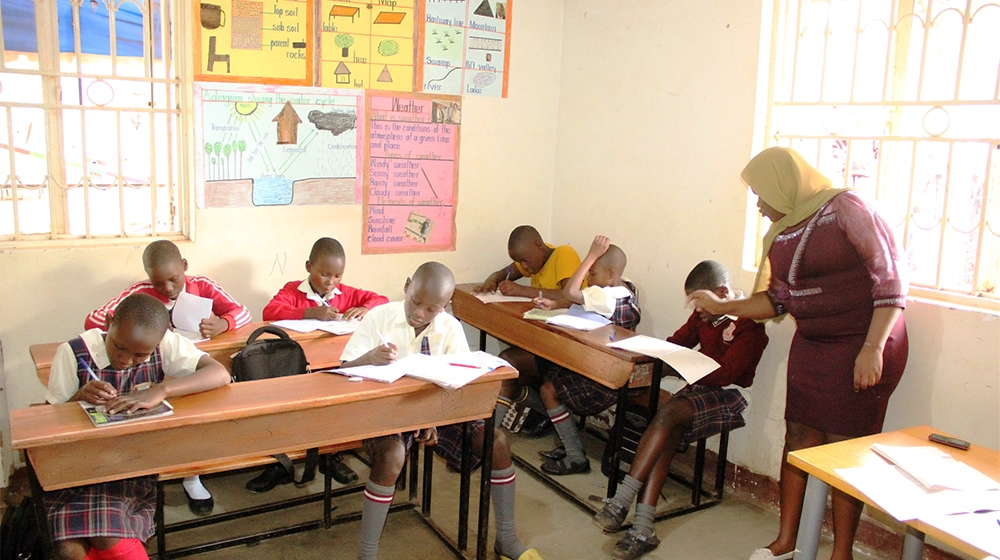
We turn our community water sales system into a powerful financial empowerment tool for the SNE school. We actively equip our learners with practical skills in utility management and resource usage control, training them to optimize distribution and eliminate waste. This hands-on training minimizes unnecessary re-pumping cycles, dramatically reducing energy and operational overheads. The resulting financial savings and commercial water revenues create an independent, self-sustaining fund used directly to clean storage tanks and maintain water infrastructure without relying on outside aid.

3.2 Vocational, Art & Craft Production
2

3.2 Vocational, Art & Craft Production

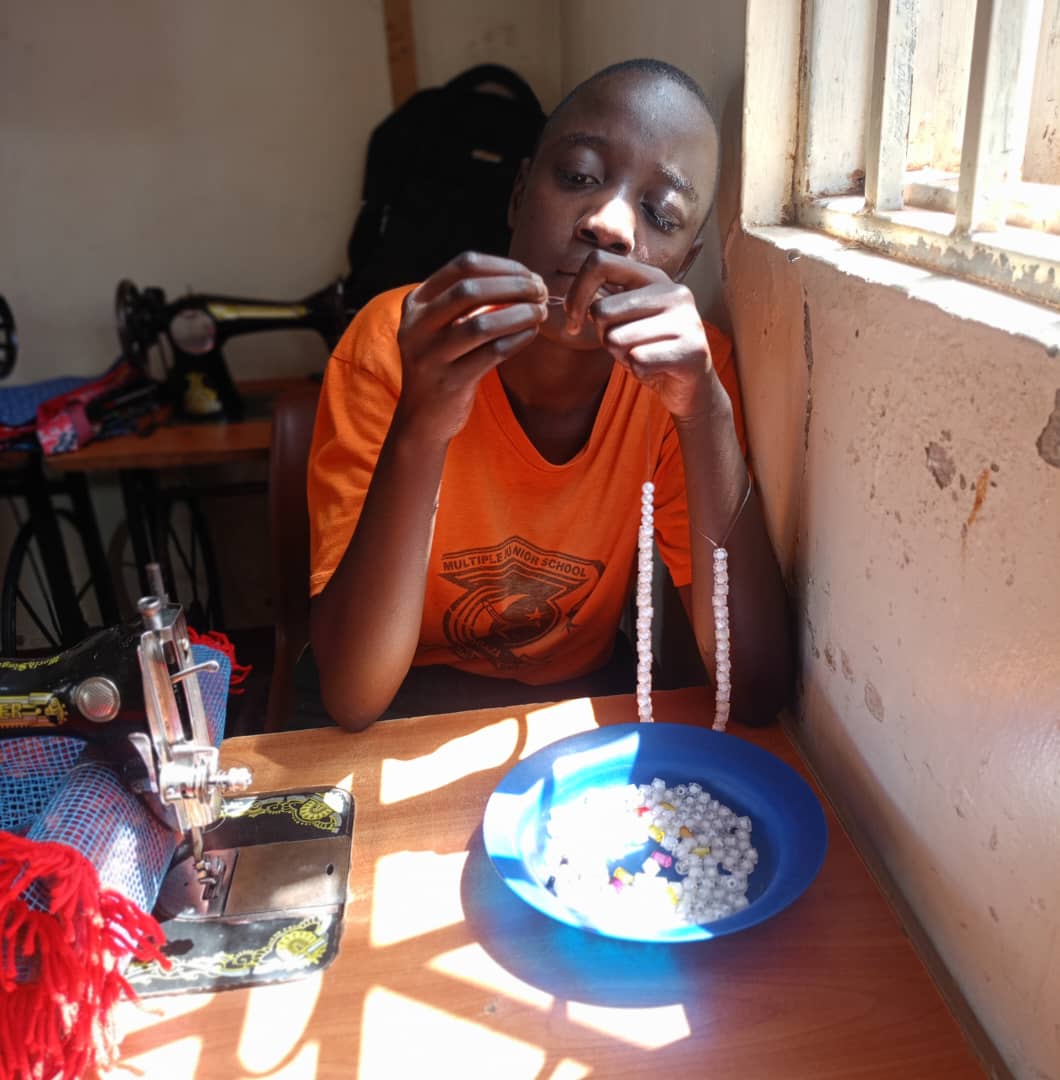
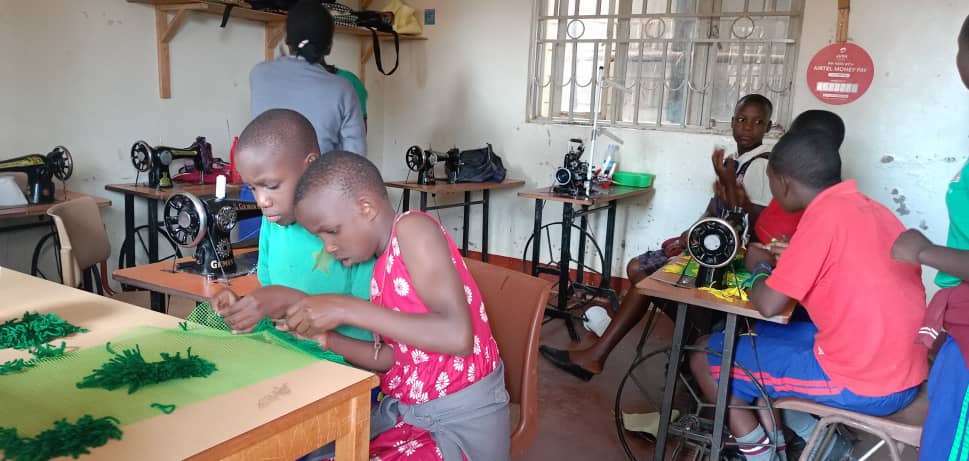
We drive a dynamic, production-based learning system that anchors our continuous tailoring and craft-based vocational skilling activities. Learners are equipped with hands-on industrial skills to design and manufacture custom bags, professional garments, artistic necklaces, detailed crocheting, intricate beading, and custom-threaded bedside mats, alongside specialized protective materials specifically engineered for learners with special care needs. By integrating equipment repair, tool restoration, and real-world market exposure directly into the curriculum, we strengthen team collaboration and prepare our graduates to navigate competitive creative economies confidently.

3.3 Liquid Detergents Production & Skilling
3

3.3 Liquid Detergents Production & Skilling

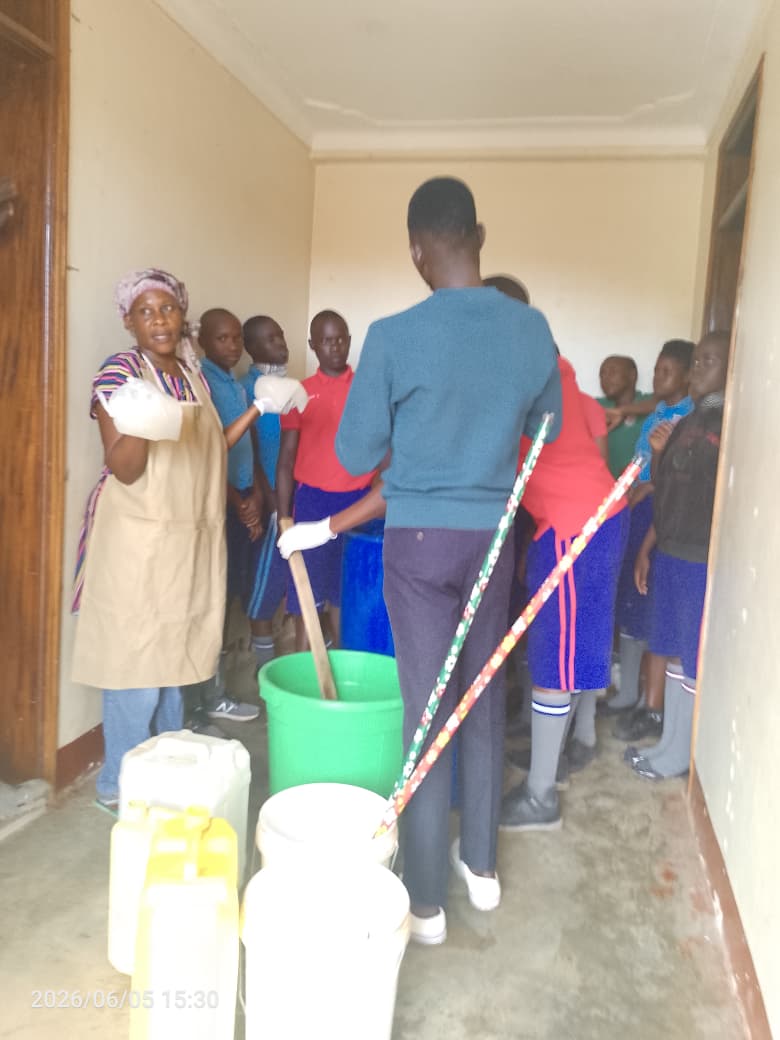
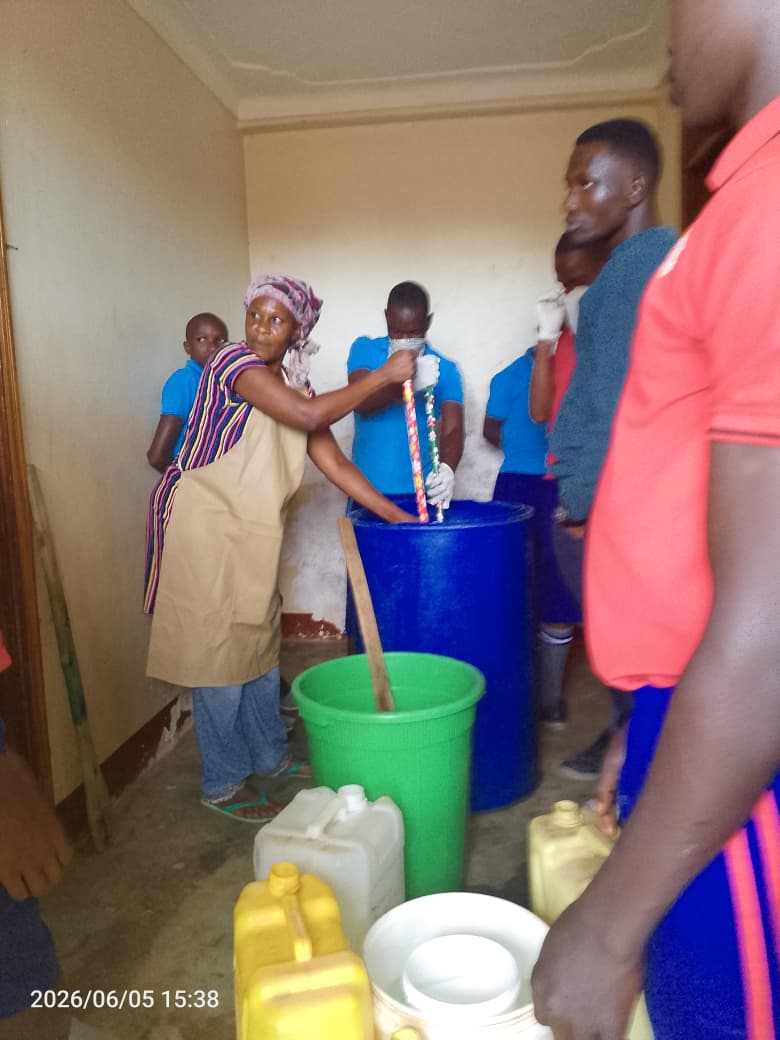
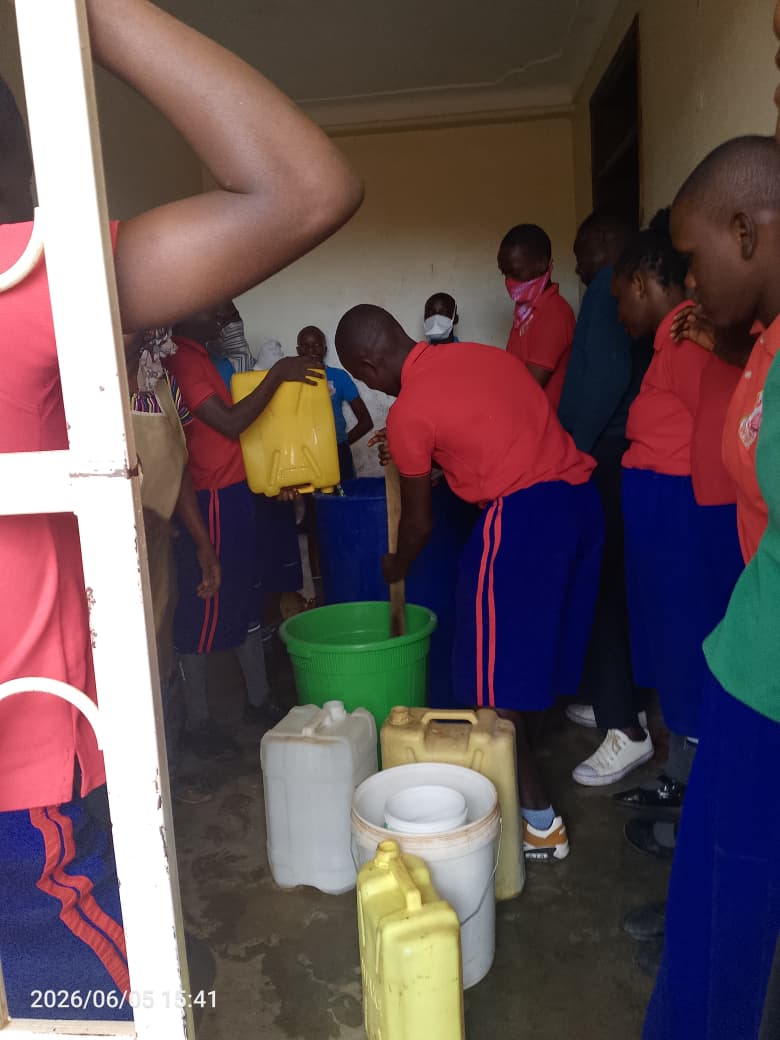
We run a hands-on chemical formulation track where learners manufacture a wide range of essential hygiene and cleaning products. This practical course provides immediate employability and manufacturing skills by training youth and very needy families in the exact production processes for powder and liquid laundry soaps, high-grade bleaching agents, and protective hand sanitizers. This empowers households to establish neighborhood micro-enterprises that meet high local consumer demand while dramatically enhancing domestic hygiene and health across the community.

3.4 Commercial Rabbitry & Backyard Micro-Farming
4

3.4 Commercial Rabbitry & Backyard Micro-Farming

We manage an active rabbitry project that serves as a high-yield, low-space micro-enterprise training track. We equip learners with specialized backyard farming techniques, breeding cycles, and independent living skills. This specific project turns animal husbandry into immediate household income generation, offering a highly profitable livelihood alternative perfectly suited for vulnerable families living in congested urban suburbs.

3.5 Parent Empowerment, Self-Help Savings & Economic Resurgence Initiatives
5

3.5 Parent Empowerment, Self-Help Savings & Economic Resurgence Initiatives

We are actively working to revive and restructure our foundational parent self-help groups and micro-savings associations, which served as a critical community financial safety net before collapsing due to severe family income losses during the COVID-19 pandemic. Recognizing the strong demand from parents of special needs learners to resurrect this vital economic lifeline—and noting that alternative institutional business support has not yet materialized—we are positioning this track as a primary zone for strategic donor partnerships. Our goal is to inject fresh capital, deliver financial literacy, and re-establish these localized safety nets to rebuild sustainable household income, provide long-term social security buffers, and ensure families can care for their children independently.

3.6 High-Yield Agro-Gardening & Sustainable Agriculture
6

3.6 High-Yield Agro-Gardening & Sustainable Agriculture

We train community members and learners in sustainable, high-density organic farming and urban vegetable gardening. This standalone agricultural track focuses on routing fresh produce directly into local household kitchens and our school facility, successfully stabilizing baseline food security, lowering kitchen expenditures, and providing vital sensory development and tactile learning skills for special needs learners.

3.7 Climate-Smart Agriculture, Bio-Innovation & The MHIHU Piggery Project
7

3.7 Climate-Smart Agriculture, Bio-Innovation & The MHIHU Piggery Project

We operate a highly successful commercial piggery that serves as a live learning laboratory for students and a strategic Income Generating Activity (IGA) for staff. Boasting a thriving herd that has doubled in size to 28 pigs driven by 19 new births, the farm serves as a model for cost-reduction and bio-innovation. We actively train learners in feed self-sufficiency by cultivating sweet potato vines and potato leaves on-site to slash commercial evening feed costs, while integrating advanced Black Soldier Fly (BSF) larvae farming as an alternative, low-cost protein source. This track equips youth with high-demand husbandry skills—including bio-security protocols, ration management, and life-saving veterinary iron-injection schedules—preparing them to manage sustainable, highly profitable micro-enterprises fetching market prices from 200,000 Shs to over 600,000 Shs per pig.

3.8 Civic Interfaces, Policy Lobbying & Rights-Based Advocacy
8

3.8 Civic Interfaces, Policy Lobbying & Rights-Based Advocacy

We bridge the gap between grassroots citizens and structural authority by facilitating direct interfaces between community members, local policymakers, and service providers. We build the long-term capacity of local citizens, partner NGOs, and Community-Based Organizations (CBOs) to run sophisticated lobbying campaigns that demand systemic public service improvements.

Support This Program

Your contribution directly funds the activities above, transforming lives in Mukono through sustained, impactful programs.

Donate Now Get in Touch